Whole foods give your liver the nutrients, fiber, and steady energy it needs to thrive. Minimally processed meals reduce inflammation, support metabolism, and help your liver work at its best, one choice at a time.
Minimally processed foods give the liver what it needs and remove what it doesn’t.
The liver is constantly working: filtering toxins, balancing blood sugar, managing cholesterol, and supporting digestion. Whole foods, such as fruits, vegetables, whole grains, beans, nuts, seeds, and lean proteins, provide the nutrients and steady energy that help the liver do this work efficiently.
Why Minimally Processed Foods Support Liver Function
Whole foods deliver the natural building blocks the liver relies on every day.
Rich in antioxidants, These plant compounds help reduce inflammation and protect liver cells from damage.
High in fiber, Fiber feeds the gut microbiome, supports digestion, and helps regulate blood sugar and cholesterol key drivers of liver fat.
Steady energy release, Whole foods digest slowly, preventing the blood sugar spikes that increase liver fat production.
Natural detox support, Vitamins, minerals, and phytonutrients help the liver run its detox pathways smoothly.
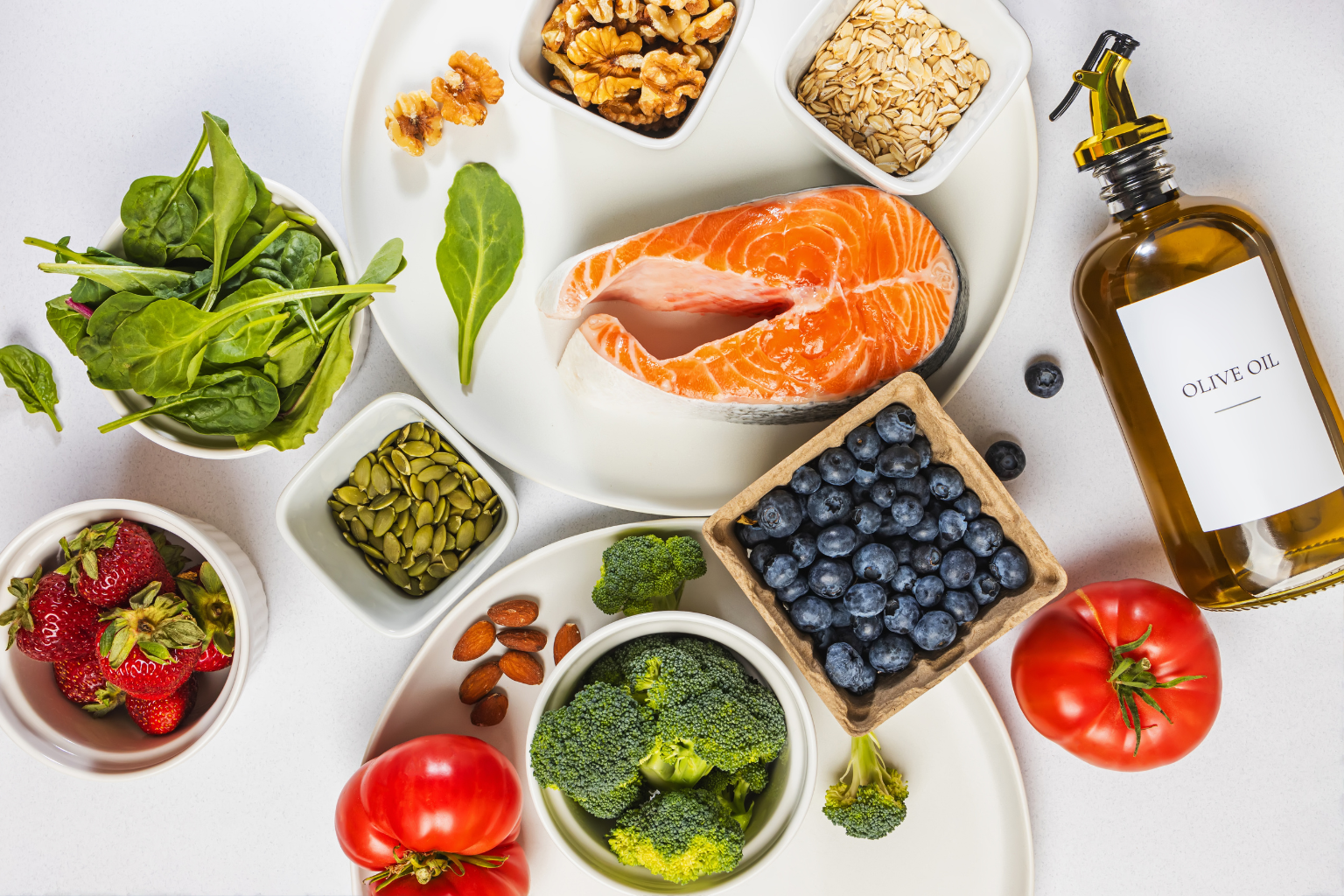
Healthy fats, Foods like olive oil, nuts, seeds, and fish reduce inflammation and support metabolic health.
How Ultra-Processed Foods Stress the Liver
When foods are heavily processed, the liver has to work harder to manage the additives, sugars, and refined starches.
Added sugars increase liver fat and insulin resistance.
Refined grains digest quickly and spike blood sugar.
Additives and preservatives add extra work for detox pathways.
Low fiber means less support for the gut-liver connection.
High sodium and unhealthy fats increase inflammation and metabolic strain.
What “Whole Food” Looks Like in Real Life
A whole-food lifestyle is flexible, culturally inclusive, and realistic.
Choose foods with short ingredient lists you recognize.
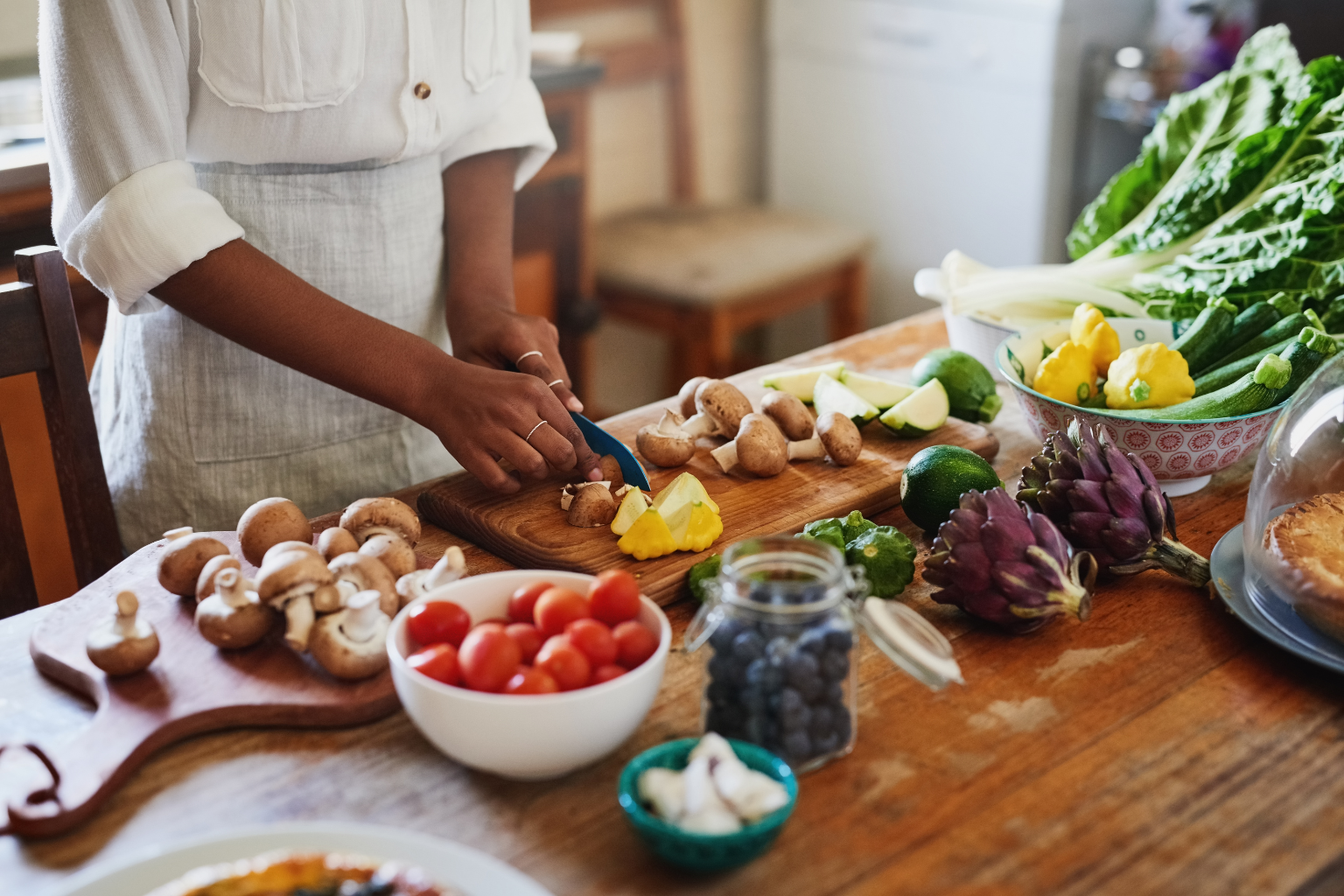
Build meals around plants first, vegetables, fruits, beans, and whole grains.
Use healthy fats like olive oil, avocado, nuts, and seeds.
Keep lean proteins in the mix: fish, poultry, tofu, beans, eggs.
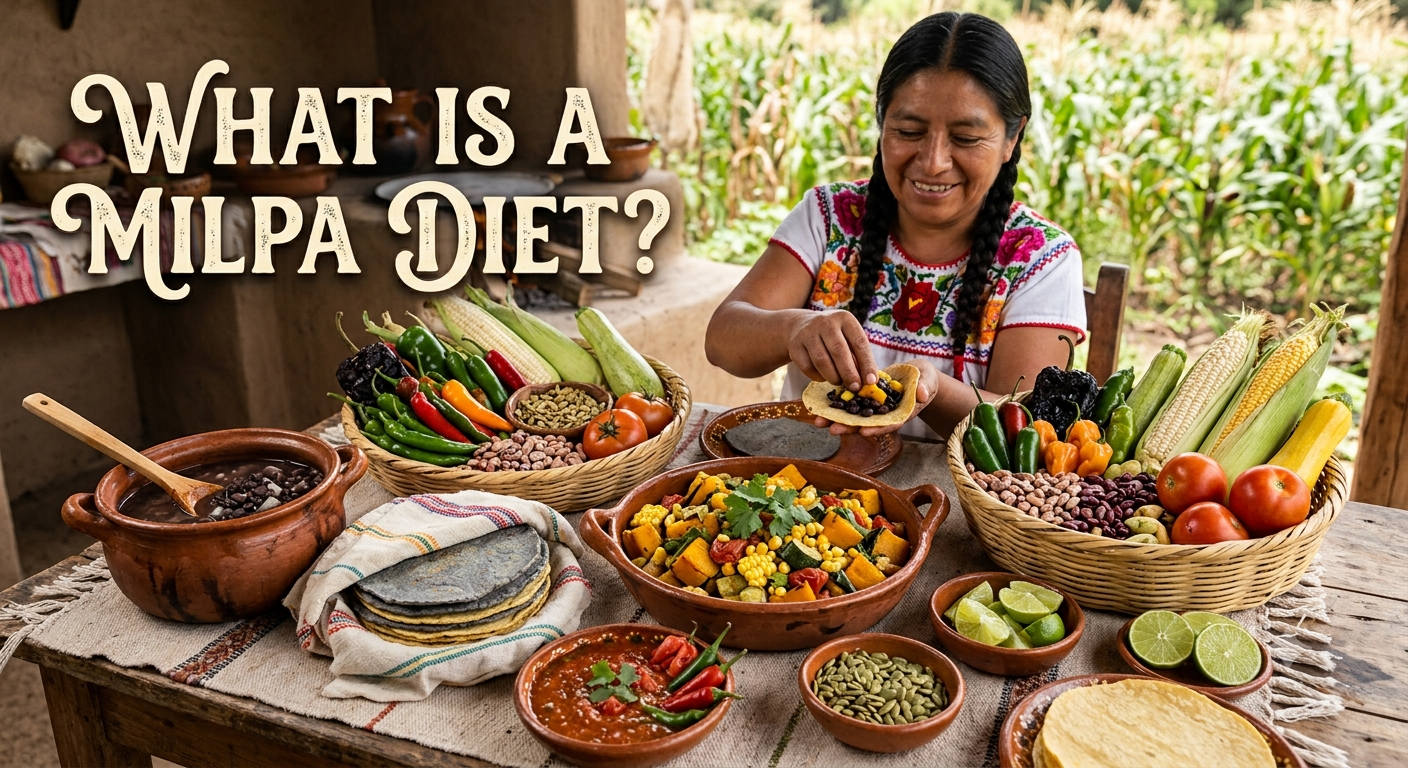
Enjoy minimally processed versions of your cultural favorites.
Make simple swaps: whole-grain bread instead of white, fruit instead of dessert, roasted instead of fried.