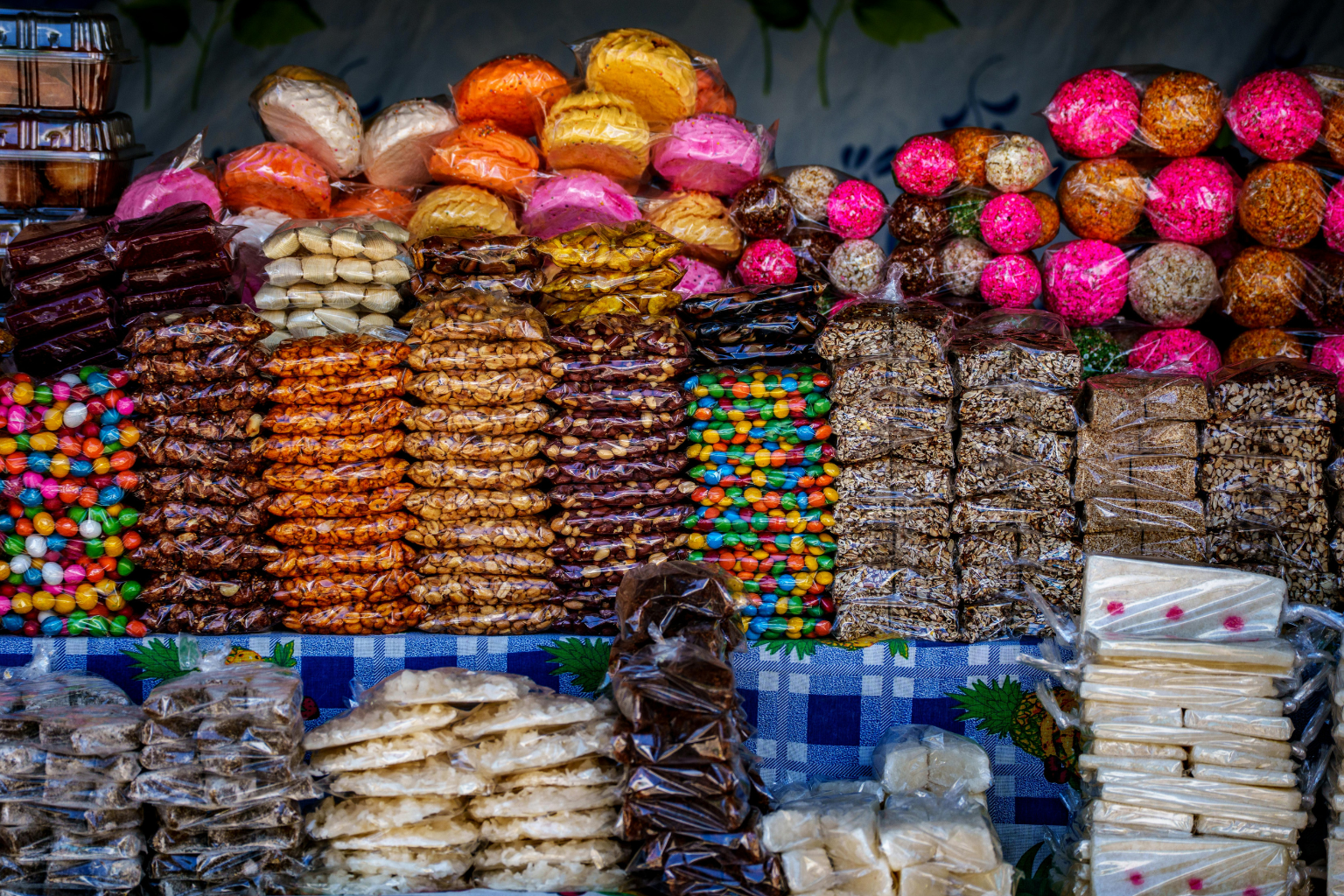
Ultra-processed foods (UPFs) are products that go far beyond basic cooking. They’re made with industrial ingredients you would never use at home refined starches, artificial flavors, colorants, stabilizers, sweeteners, and preservatives designed to change texture, shelf life, or taste.
These foods are engineered to be hyper-palatable, easy to overeat, and inexpensive to produce. They often contain little to no fiber, very few whole ingredients, and a long list of additives that increase the liver’s workload.
“If You Can’t Pronounce It, Your Liver Has to Process It”
This simple rule resonates because it’s true in spirit:
When an ingredient list is filled with chemical names, stabilizers, and additives, your liver must work harder to break them down, filter them, or store the excess energy they create.
While not every long word is harmful, the rule helps people quickly identify foods that are far removed from their natural form, the very foods most strongly linked to liver fat, insulin resistance, and metabolic dysfunction.
Common Examples of Ultra-Processed Foods
These examples help people recognize UPFs in everyday life:
Sugary drinks, soda, energy drinks, sweet teas, flavored coffees
Instant meals, boxed mac and cheese, frozen dinners, ramen noodles
Breakfast cereals, brightly colored, sweetened, or extruded shapes
Protein bars and shakes with long ingredient lists
Flavored yogurts with added sugars, gums, and stabilizers
Coffee creamers made with oils, emulsifiers, and artificial flavors
These foods often contain refined starches, industrial seed oils, artificial colors, preservatives, and emulsifiers all of which contribute to inflammation, gut disruption, and metabolic stress.
A Simple Way to Spot Ultra-Processed Foods
People can identify UPFs quickly by looking for:
Long ingredient lists (more than 5–7 items)
Ingredients you wouldn’t cook with at home
Artificial colors or flavors
High-fructose corn syrup or multiple sweeteners
Refined starches like maltodextrin, modified corn starch, potato flakes
Emulsifiers such as polysorbate 80, carrageenan, mono- and diglycerides
Hydrogenated or unesterified oils
Shelf-stable products that stay “fresh” for months