Ultra-Processed Foods: What They Are and Why They Matter for Liver & Metabolic Health
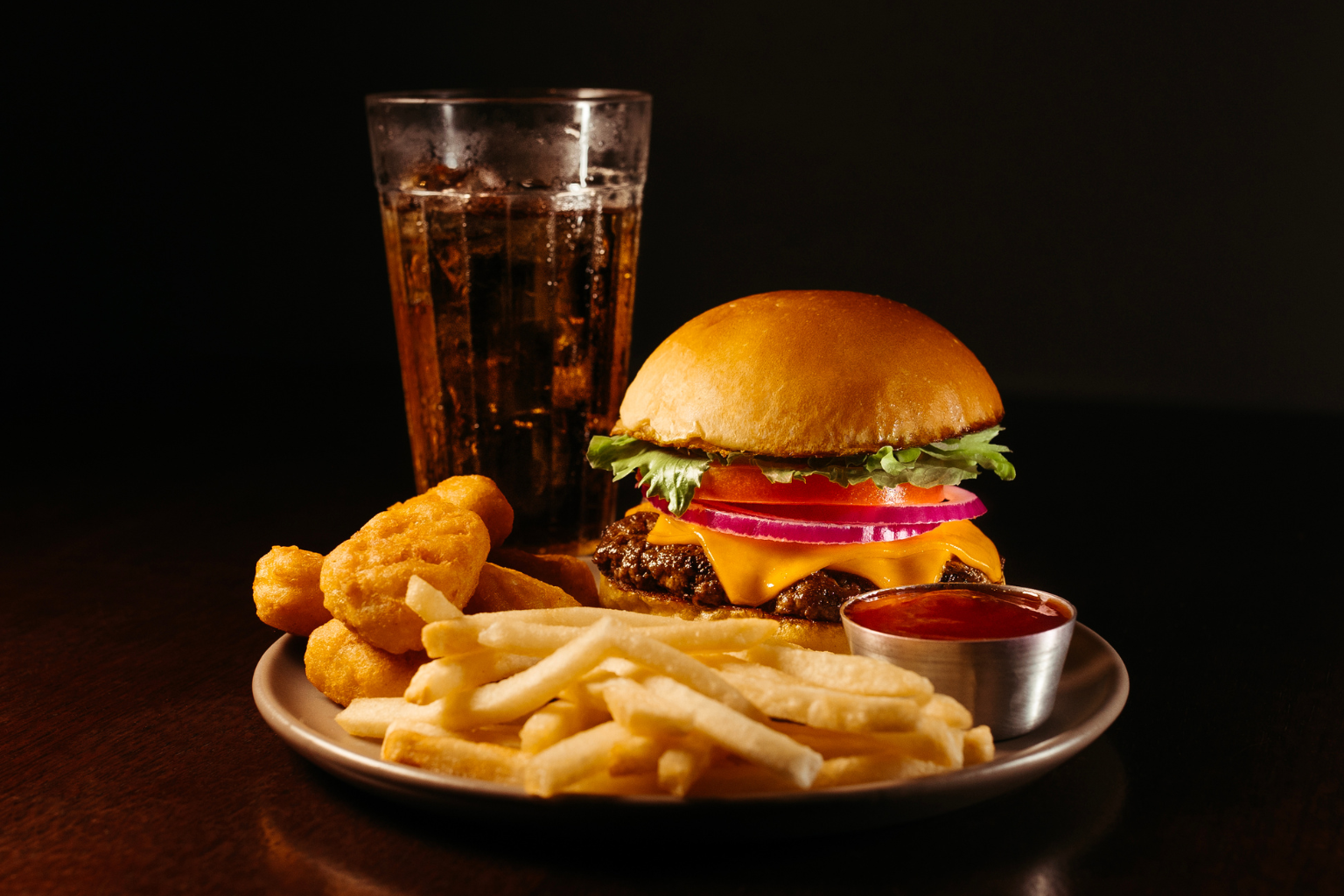
Ultra-processed foods make up for up over 50% of the American diet for both adults and children. These foods are engineered for taste, convenience, and long shelf life not for health.
What Makes a Food “Ultra-Processed”?
UPFs are industrial formulations containing ingredients not used in home kitchens, such as:
Solvent-extracted seed oils
Artificial colors and flavors
Emulsifiers and stabilizers
Preservatives
High-fructose corn syrup and artificial sweeteners
These additives are designed to enhance taste and texture, but frequent consumption is linked to metabolic dysfunction, weight gain, and liver fat accumulation.
Additives Banned or Restricted in Many Countries
Several additives commonly found in U.S. ultra-processed foods are restricted or banned internationally due to safety concerns. U.S. states have also begun restricting them. Examples include:
Brominated vegetable oil
Potassium bromate
Propylparaben
Red Dye #3
Why Children Are Especially Vulnerable
Children’s diets are increasingly dominated by UPFs, they:
Displace nutrient-dense foods
Are engineered to be hyper-palatable
Are aggressively marketed to children
Contribute to overweight, obesity, metabolic changes, and poor diet quality
Impact on Liver & Metabolism
High UPF intake is associated with:
Insulin resistance
Increased liver fat
Gut microbiome disruption
Chronic inflammation
Higher long-term risk of metabolic disease
These pathways directly contribute to MASLD and its progression.