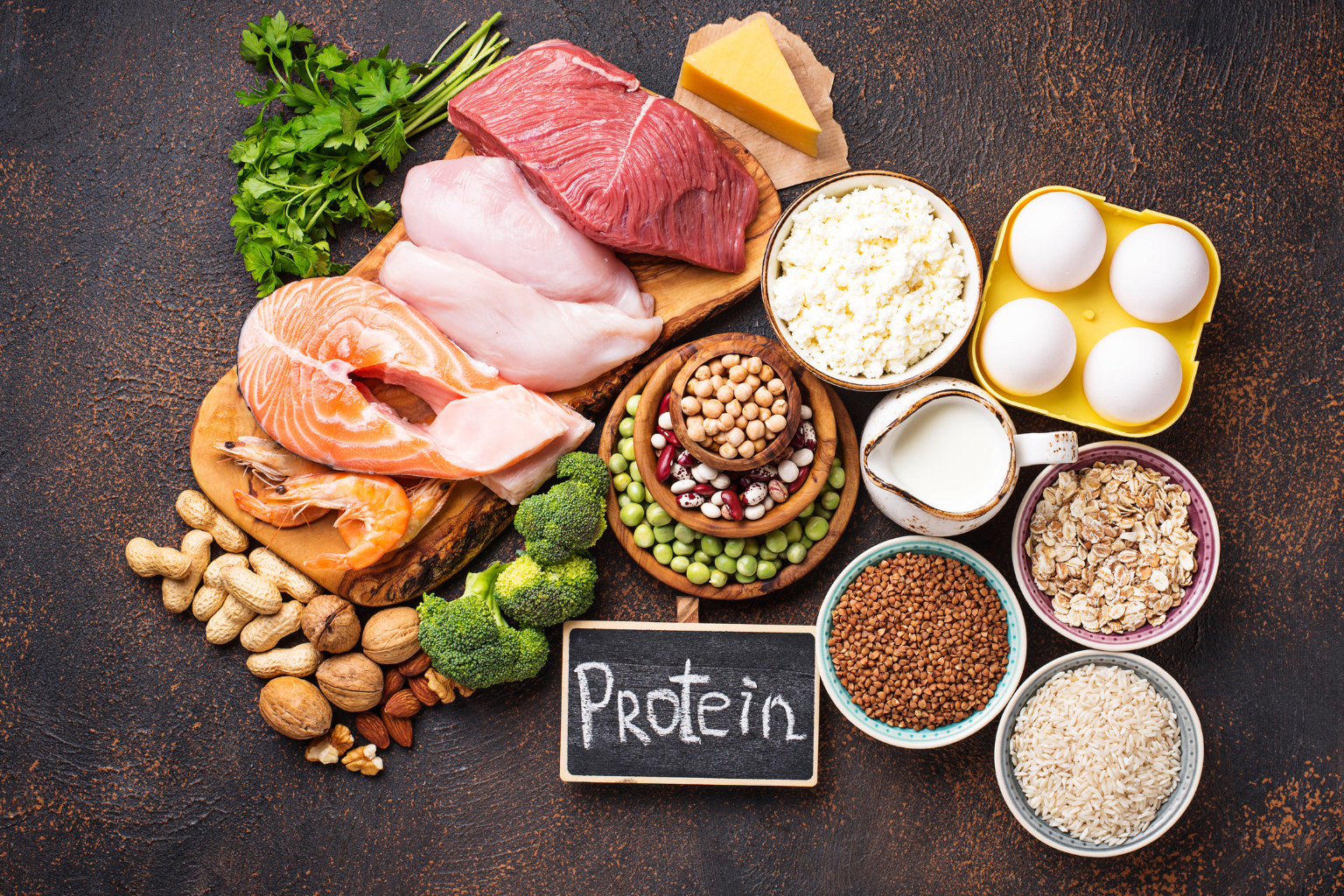
Protein supports muscle maintenance, immune function, and healing. People with liver disease often need consistent, high-quality protein throughout the day. A healthcare professional can help determine individual needs, but this chart gives a clear overview of common sources and their typical protein content.
Lean Animal Proteins
Aim for lean, cooked, fresh options.
Food
Typical Serving
Approx. Protein
Chicken or Turkey (white meat, skinless)
3 oz
21–27 g
Fish (Cod, Salmon, Trout, Tilapia)
3 oz
22–25 g
Eggs
1 large
6–7 g
Egg Whites
2 whites
~7 g
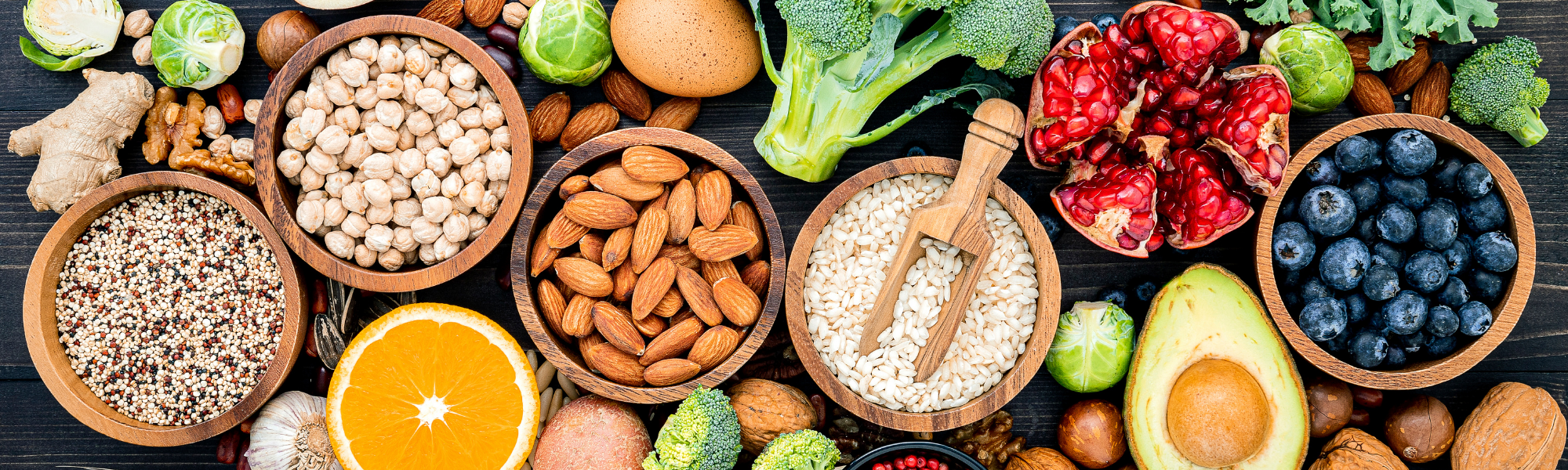
Plant-Based Proteins
Excellent for liver health and metabolic balance.
Food
Typical Serving
Approx. Protein
Tofu (firm)
½ cup
7–13 g
Lentils (cooked)
½ cup
9–17 g
Beans (black, kidney, chickpeas, soybeans)
½ cup
7–9 g
Soy Milk
1 cup
6–8 g
Nuts (almonds, walnuts) & Seeds
¼ cup
5–9 g
Nut Butters
2 Tbsp
~8 g
Dairy Proteins
Choose low-fat options unless higher calories are needed.
Food
Typical Serving
Approx. Protein
Greek Yogurt (plain)
6 oz
~15 g
Cottage Cheese
½ cup
7–13 g
Milk (cow’s or soy)
1 cup
7–8 g
Cheese (cheddar, Swiss)
1 oz
7–9 g
Important Notes for Liver Health
Avoid raw shellfish because it can carry bacteria that pose serious risks for people with liver disease.
Limit sodium if fluid buildup (ascites) is present; choose fresh, low-sodium, or unprocessed protein sources.
Plant-based focus: Plant proteins are often easier for the liver to process and are associated with better metabolic outcomes and lower risk of fatty liver disease.
Spread protein throughout the day to support muscle maintenance and steady energy.