Living with liver disease can feel overwhelming at times, but you don’t have to navigate it alone. Strong, supportive connections are one of the most powerful tools for emotional well-being, resilience, and overall health. Research shows that people who feel connected to others experience lower stress, better coping skills, and improved quality of life. For liver patients, connection is more than comfort. It’s part of healing.
Why Connection Helps
Human connection has real, measurable effects on the body it:
Reduces Stress & Inflammation
Supportive relationships help lower cortisol and calm the nervous system. This matters because chronic stress can increase inflammation and make liver symptoms feel worse.
Supports Mental Clarity & Mood
Feeling connected reduces anxiety, depression, and brain fog. It strengthens emotional resilience, something especially important when managing a chronic condition.
Improve Motivation & Daily Habits
People are more likely to stay active, eat well, and follow care plans when they feel supported. Connection helps you stay engaged in your own health.
Protects Overall Health
Studies show that loneliness can increase the risk of chronic disease, while strong social ties improve long-term health outcomes.
Connection isn’t just “nice to have.” It’s a protective factor.
The Brain-Body-Liver Link
When you feel supported, your brain sends calming signals throughout the body. This can:
Improve digestion and gut health
Lower inflammation
Support better sleep
Reduce the physical effects of stress on the liver
Connection helps your entire system shift into a healthier, more balanced state.
What Connection Can Look Like
Connection doesn’t have to be big or complicated. It can be:
Talking with a friend or family member
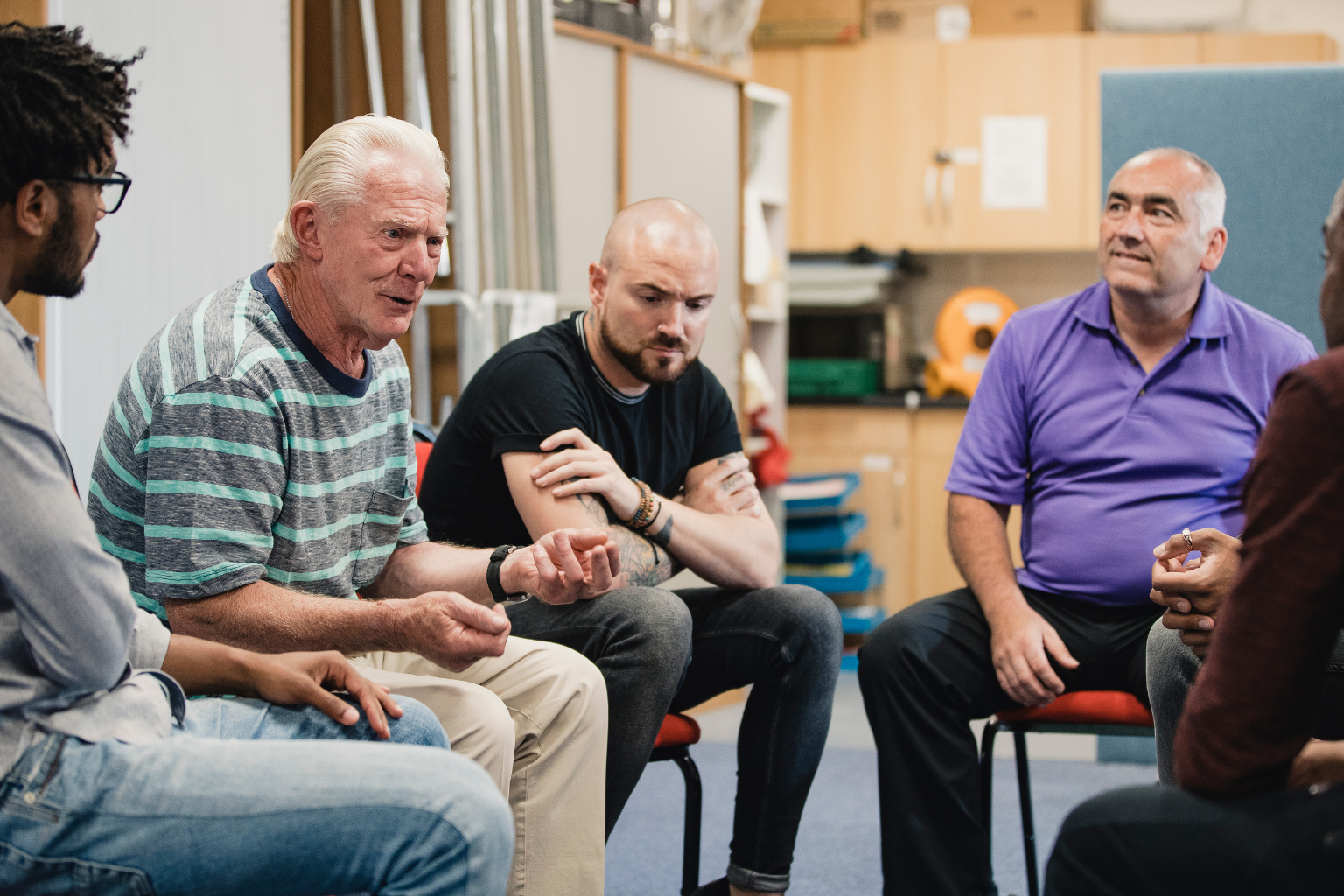
Joining a support group
Connecting with a Liver Journey Partner
Attending a community event
Sharing a meal with someone
Volunteering or helping others
Spending time in faith communities
Reaching out when you need encouragement
Even small moments of connection can make a meaningful difference.
You’re Not Alone
Liver disease can feel isolated, but you are part of a community, and reaching out is a sign of strength, not burden. Whether it’s one trusted person or a whole group, connection helps you feel grounded, supported, and understood.
Building connections is one of the most powerful ways to recharge your emotional health and support your liver.