Supplements, Spices & OTC Medicines: What Liver Patients Should Know
Many people assume that “natural” means “safe,” but for those living with MASLD/MASH, cirrhosis, or any chronic liver condition, certain supplements and everyday products can be surprisingly harmful. The liver is responsible for processing medications, herbs, and chemicals and some can cause inflammation, liver injury, or dangerous interactions.
This guide highlights the most important evidence-based risks so patients can make informed choices.
Why Supplements Can Be Risky for Liver Patients
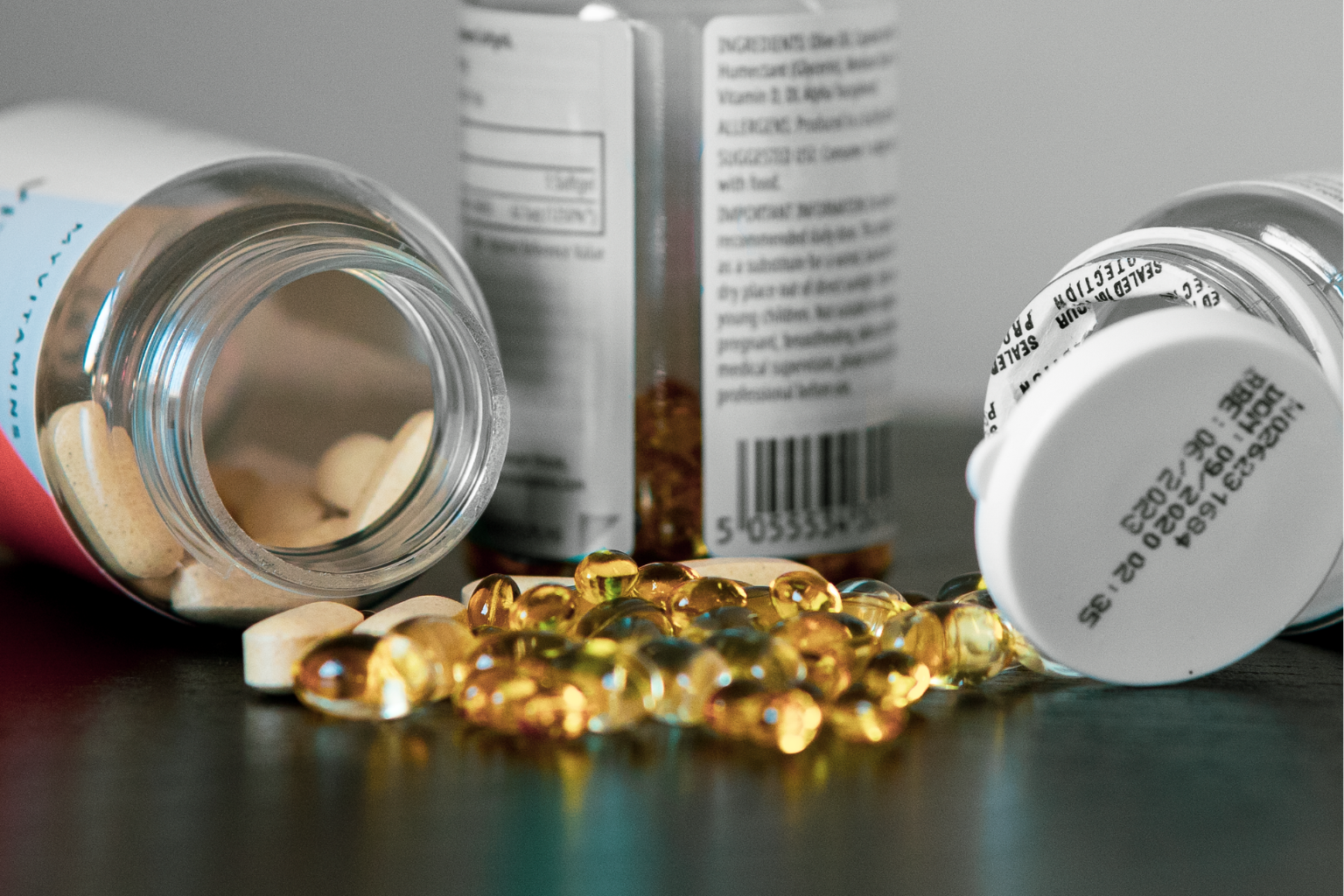
Unlike prescription medications, dietary supplements are not required to prove safety or effectiveness before being sold. Many products contain multiple ingredients, contaminants, or doses far higher than what the body can safely process.
Liver injury from supplements called HILI (Herb-Induced Liver Injury) is one of the fastest-growing causes of acute liver failure in the U.S.
Supplements Most Strongly Linked to Liver Toxicity
Weight-Loss & “Detox” Supplements
These are the #1 cause of supplement-related liver injury.
Common harmful ingredients include:
Green tea extract (not tea! concentrated EGCG)
Garcinia cambogia
Yohimbe
Proprietary “fat burner” blends
These products often contain stimulants, unlisted ingredients, or high-dose botanicals that overwhelm the liver.
Bodybuilding & Muscle-Building Supplements
Many contain:
Anabolic steroid analogs
SARMs (Selective Androgen Receptor Modulators)
Unlisted hormones
These can cause cholestatic liver injury, jaundice, and severe inflammation.
High-Risk Herbal Supplements
These herbs have well-documented cases of liver injury:
Kava-Can cause severe liver failure
Black cohosh-Linked to hepatitis-like injury
Comfrey-Contains pyrrolizidine alkaloids → toxic to liver
Chaparral-Associated with acute liver failure
Red yeast rice-Contains lovastatin-like compounds → can cause liver enzyme elevation
Ashwagandha-Increasing reports of liver injury
Turmeric/curcumin (high-dose extracts)- documented cases of liver injury
High-Dose Vitamins
Vitamin A (retinol), toxic at high doses; can cause fibrosis
Niacin (B3)- high doses used for cholesterol can cause hepatitis
Iron supplements – dangerous for those with hemochromatosis or iron overload
Spices & Botanicals That Can Be Harmful
Most culinary spices are safe in food amounts. The concern is supplement-level doses.
Cassia Cinnamon (the common grocery-store kind)
Contains coumarin, which can cause liver injury in high doses.
High-dose extracts have caused liver injury in some individuals.
Green Tea Extract
Drinking tea is safe.
Concentrated extract supplements can cause severe liver injury.
Over-the-Counter Medicines: What Liver Patients Should Know
Acetaminophen (Tylenol)
Safe only at recommended doses.
The leading cause of acute liver failure when overused.
Hidden in many cold/flu products → easy to accidentally double dose.
NSAIDs (Ibuprofen, Naproxen)
Not directly toxic to the liver, but dangerous for cirrhosis due to kidney injury and bleeding risk.
Should be avoided unless a clinician approves.
Herbal “Liver Detox” Products
Often contain multiple high-risk botanicals.
No evidence they help the liver and many cause harm.
How Liver Patients Can Stay Safe
Always check with your clinician before starting any supplement
Even “healthy” or “natural” products can interact with medications or worsen liver disease.
Be sure your pharmacist is aware of your liver condition
Avoid multi-ingredient blends- the more ingredients, the harder it is to identify risks.
Be cautious with high-dose extracts-food is safe. Concentrated pills are not the same.
Choose reputable brands-look for USP, NSF, or Consumer Lab verification.
Report new symptoms-yellowing of the eyes, dark urine, itching, nausea, or fatigue may signal liver injury.
For people living with liver disease, supplements and OTC medicines require extra caution. Many products marketed as “natural,” “detoxifying,” or “immune-boosting” can harm the liver. The safest approach is simple: Eat whole foods. Use spices in cooking. Avoid high-dose supplements. And always talk to your care team before adding anything new.