The liver works hard to filter chemicals from our environment not just from food and medicine, but from everyday products in our homes. For people living with MASLD/MASH, cirrhosis, or other liver conditions, reducing unnecessary toxin exposure can help lighten the liver’s workload. Here are the most common sources to be aware of and simple ways to stay safe.
Cosmetics & Personal Care Products
Many beauty and skincare items contain chemicals the liver must process, including:
Fragrance blends (often hundreds of undisclosed chemicals)
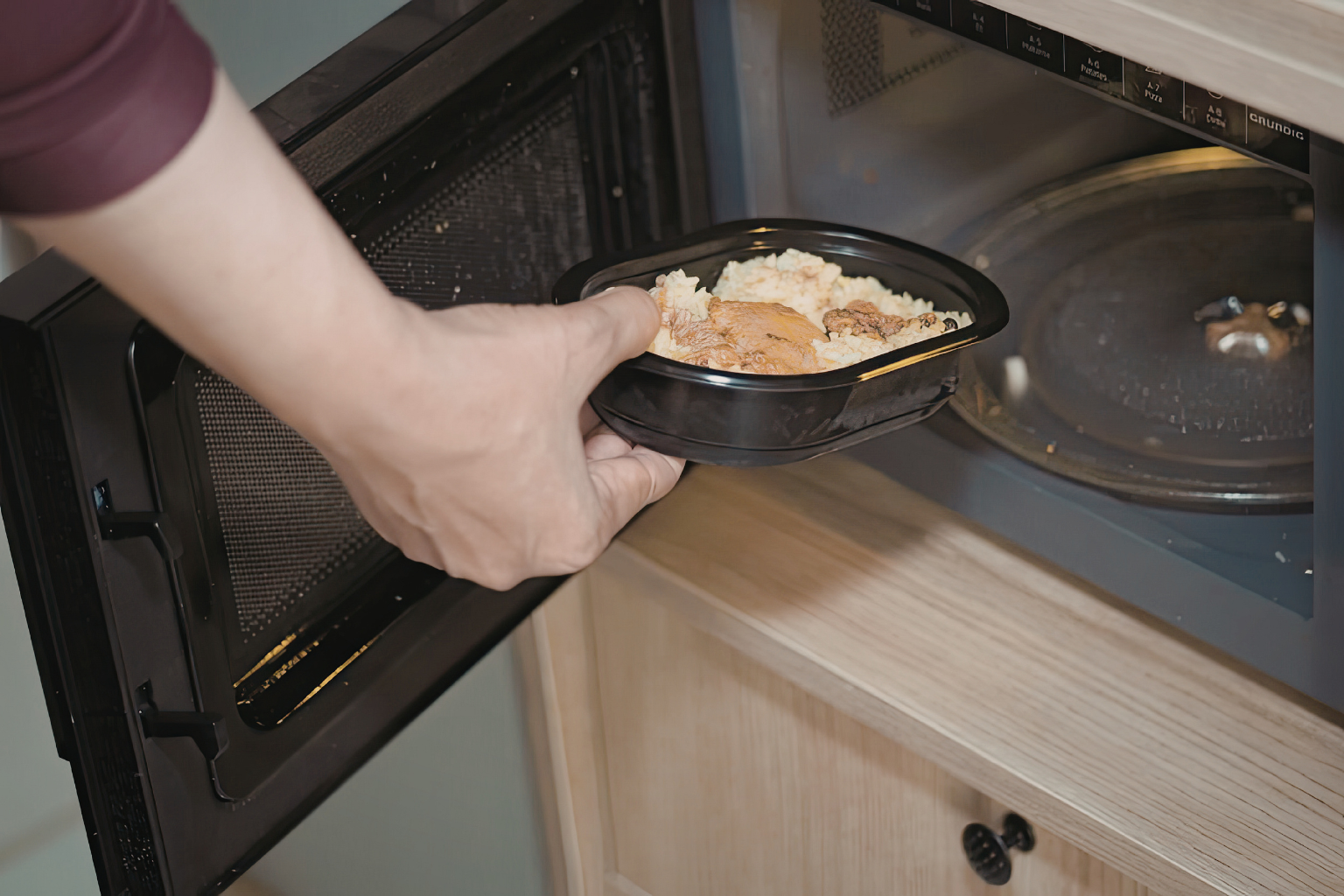
Certain plastics can leach chemicals, especially when heated including:
BPA and BPA-alternatives
Phthalates
Microplastics
These chemicals are processed by the liver and may contribute to inflammation.
Tips:
Avoid microwaving food in plastic.
Store leftovers in glass or stainless steel.
Choose BPA-free bottles or reusable alternatives.
You don’t need a toxin-free home just a few smart swaps.
For liver patients, the goal is to reduce unnecessary chemical exposure so the liver can focus on healing. Choosing fragrance-free products, safer cleaners, low-dust litter, and glass food storage can make a meaningful difference over time.