Each year, the Environmental Working Group (EWG), a nonprofit organization focused on consumer health and environmental transparency releases two lists: the Dirty Dozen and the Clean Fifteen. These lists highlight which fruits and vegetables tend to have the highest or lowest pesticide residues when grown conventionally. They are not medical guidelines, but many patients find them helpful when deciding when organic options may be worth considering. For people living with liver disease, the goal is not to create fear around produce. Fruits and vegetables organic or conventional remain some of the most protective foods for metabolic and liver health. These lists simply help patients make informed choices that fit their budget and comfort level.
2026 Dirty Dozen
These conventionally grown foods tend to show higher pesticide residues:
Spinach
Kale, collard, and mustard greens
Strawberries
Grapes
Nectarines
Peaches
Cherries
Apples
Blackberries
Pears
Potatoes
Blueberries
If organic fits your budget, this is where it may matter most but conventional options are still healthy and nutrientdense.
2026 Clean Fifteen
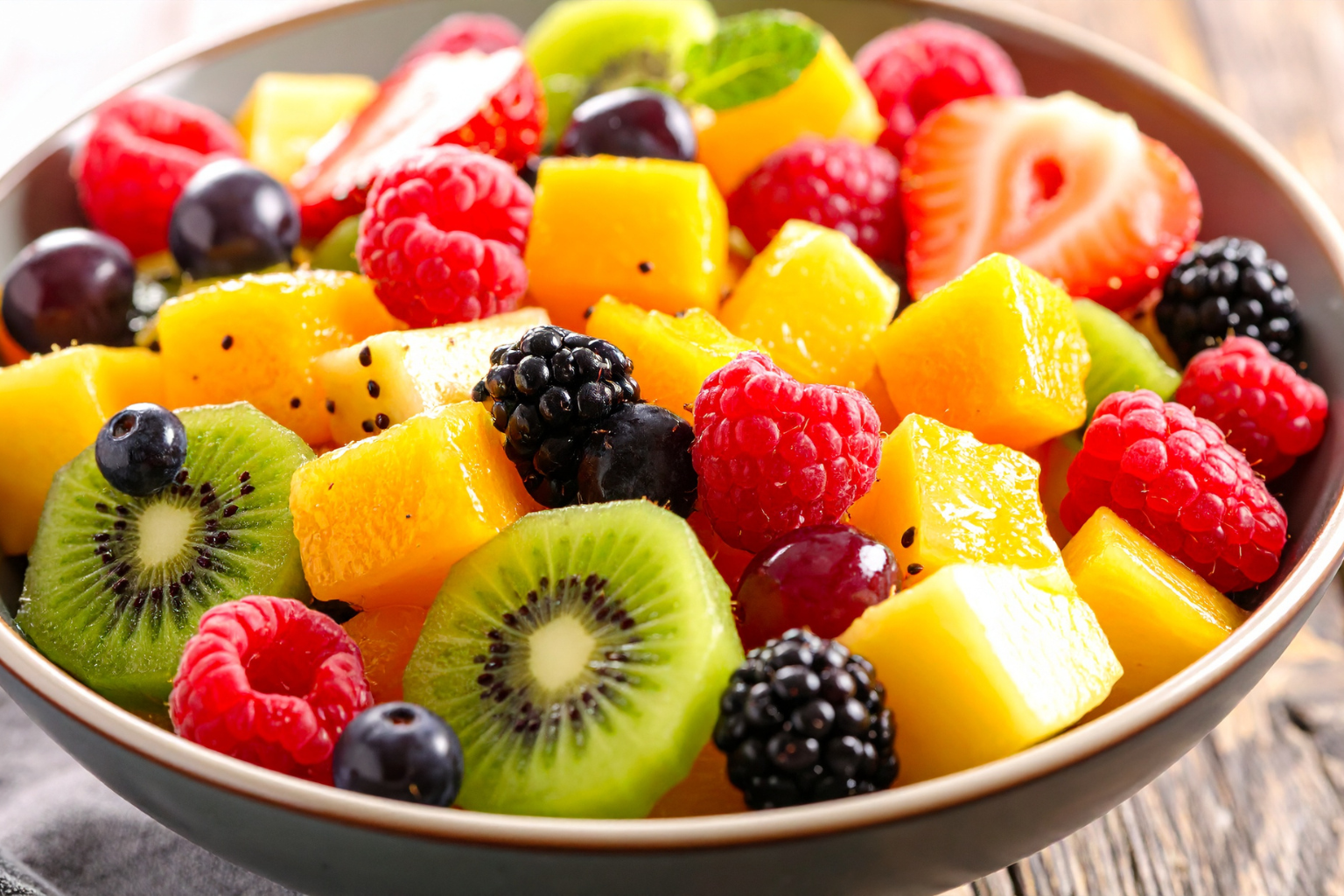
These fruits and vegetables typically have the lowest pesticide residues, even when grown conventionally:
Pineapple
Sweet corn (fresh or frozen)
Avocados
Papaya
Onion
Sweet peas (frozen)
Asparagus
Cabbage
Cauliflower
Watermelon
Mangoes
Bananas
Carrots
Mushrooms
Kiwi
Patients who prefer to buy organic selectively can feel confident choosing conventional versions of these items.
What This Means for Liver Patients
No need to avoid any produce. The benefits of fruits and vegetables far outweigh concerns about pesticide residues.
Organic is optional. Choose it when it fits your budget or values.
Washing helps. Rinsing under running water or soaking in a bakingsoda solution can reduce surface residues.
Frozen is a great choice. Affordable, longlasting, and often lower in residues.
Variety supports liver health. A colorful mix of produce boosts fiber, antioxidants, and metabolic benefits.
Bottom Line
The Dirty Dozen and Clean Fifteen are tools not rules. They can help patients make choices that feel safer and more aligned with their goals, but the most important message remains:
Eating more fruits and vegetables is one of the strongest steps people can take to support metabolic and liver health.