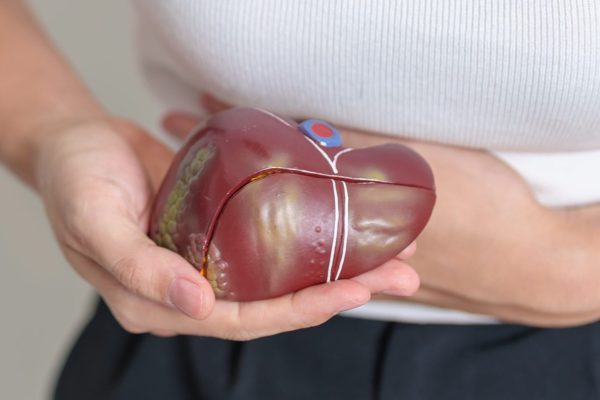
Title Image

Non-Alcoholic Fatty Liver Disease

Home  /  Non-Alcoholic Fatty Liver Disease

Metabolic Dysfunction-Associated Steatotic Liver Disease: Understanding Your Liver Health

Non-alcoholic fatty liver disease, now called Metabolic Dysfunction-Associated Steatotic Liver Disease (MASLD), strikes people who might not know their liver health is in danger. At Liver Education Advocates, we aim to make it easy for you by giving you clear information and one-on-one guidance so you can control your condition and feel better.

Key Facts and Risk Factors

This problem happens when there is too much fat in liver cells, even if you don’t drink alcohol. There may not be any symptoms in the early stages, so it’s important to be vigilant. Knowing the risk factors, such as being overweight and having insulin resistance, can help you get help early.
Non Alcoholic Fatty Liver Treatment
Non Alcoholic Fatty Liver Disease

Comprehensive Non-alcoholic Fatty Liver Treatment Options

Lifestyle changes, medical monitoring, and expert treatment are all part of our evidence-based approach. Our experts will work with you to create individualized treatments that will improve your liver function and overall health.

Diet Strategies for Liver Health

A balanced diet for alcoholic fatty liver disease supports recovery and strengthens liver function. Adopting whole grains, lean proteins, and healthy fats lays the foundation for lasting change. We also recommend a personalized non-alcoholic fatty liver diet to suit your needs. Limiting processed sugar and refined carbohydrates also plays a vital role.

Take the Next Step with Liver Education Advocates

Together, we’ll help you build a sustainable path to lasting wellness. Join our community for ongoing education and support. Begin your journey toward better liver health today. Contact Liver Education Advocates to schedule a comprehensive consultation and learn how our dedicated team can guide you toward effective non-alcoholic fatty liver treatment.

Liver Education Advocates

FAQs

Non-alcoholic fatty liver disease frequently occurs without symptoms, so an abnormal set of blood tests showing elevated liver enzymes or imaging tests that detect fat in the liver are clues. Others might include fatigue, abdominal pain, or unintentional weight loss. See a healthcare provider for tests, such as blood workup, ultrasound, and life review.
Early treatment with non-alcoholic fatty liver treatment stops disease advancement by lessening liver inflammation, avoiding fibrosis, and decreasing the risk of cirrhosis or liver failure. Liver Education Advocates points out that on-time lifestyle modifications and medical support enhance long-term results. On-time treatment targets metabolic components, enhancing well-being and reducing complication rates.
Yes. Lifestyle changes are essential parts of successful non-alcoholic fatty liver treatment, involving wholesome nutrition, regular exercise, and weight control. Liver Education Advocates points out that such changes have the potential to reverse fat deposition, increase insulin sensitivity, and decrease inflammation. Persistence guarantees long-term benefits and sensitizes the response to medical therapies.
Autumn Maple Leaves

Love Your Liver This October