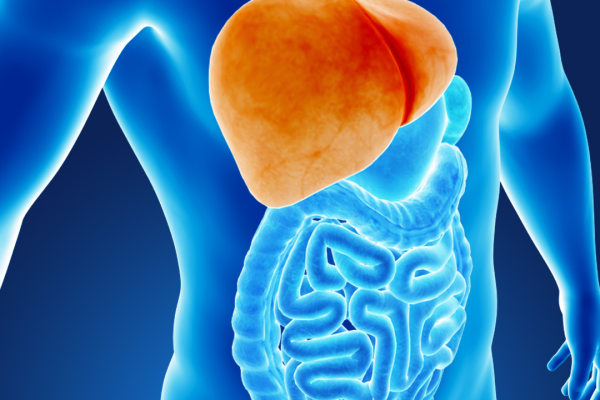
Fatty Liver Disease Causes: Understanding Risks and Symptoms
Millions of people around the world have fatty liver disease, yet many don’t know how it affects them. At Liver Education Advocates, we delve into the complexities of fatty liver disease causes, providing knowledge, guidance, and support for every stage of your journey.
Key Fatty Liver Disease Symptoms
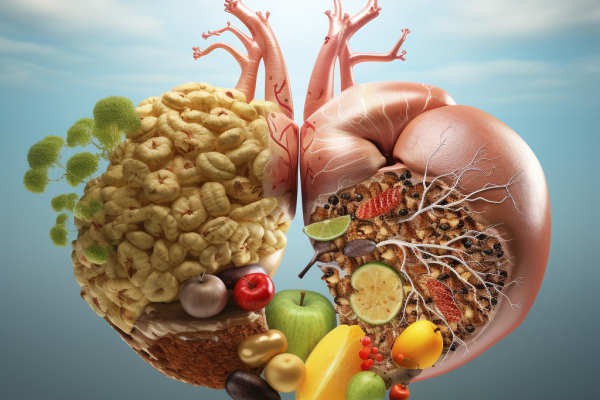
Familiarity with the entire range of fatty liver disease symptoms is essential to ensure early intervention. Ranging from constant fatigue and stomach pain to increased levels of liver enzymes, these indicators can be followed by more severe complications should they go unnoticed.
Identifying Liver Disease Risk Factors
Knowing liver disease risk factors, including obesity, insulin resistance, and high cholesterol, allows patients to determine their risk. Genetic susceptibility and some medications can also lead to the development of liver complications in the long run.
Proactive Strategies for Liver Health
Early fatty liver disease diagnosis through imaging and blood tests guides effective treatment plans. A balanced fatty liver disease diet, regular exercise, and vetted supplements support liver health. Our fatty liver disease public education initiatives and awareness campaigns promote community engagement and informed decision‑making.
Take Action with Liver Education Advocates
Liver Education Advocates strives to raise awareness and offer support for those who suffer from liver diseases. Browse our guides, speak with professionals, and become part of our community to confront liver disease risk factors directly. Together, we can change outcomes and create a better future. Get in touch with us today to learn more. Together, let’s make change happen.

FAQs
Fatty liver disease causes include weight overload, excessive alcohol use, insulin resistance, increased triglycerides, and medications. Weight loss and genetic susceptibility can also contribute. Knowledge of these causes allows individuals to use preventative measures, including proper diet and regular check‑ups, to slow the progression and enhance long-term liver health.
Fatty liver disease symptoms will usually be chronic fatigue, weight loss, stomach discomfort, and pale-colored stools or urine with mild jaundice. Liver Education Advocates points out that nonspecific symptoms such as poor concentration and nausea merit investigation. Early medical consultation and blood tests can diagnose it, allowing early intervention and lifestyle modifications to preserve overall liver function.
Liver disease risk factors consist of sedentary lifestyle, high-fat diets, binge drinking, tobacco use, and poorly controlled blood sugar. Regular physical activity and meal balancing reduce risk. Liver Education Advocates suggests checkups and stress reduction. A healthy weight and avoidance of harmful substances ensure long-term hepatic health and limit disease advancement.