


Diets for Fatty Liver: Supporting Better Liver Health
At Liver Education Advocates, we highlight the critical importance of nutrition in safeguarding and enhancing liver function. Selecting the appropriate diet for fatty liver is among the best treatment strategies to control the condition and avoid secondary complications. An organized eating regimen not only enhances recovery but also enhances overall well-being.
Diets for Fatty Liver Disease
When treating diets for fatty liver disease, consistency and balance are the most important. Restricting processed foods, decreasing added sugar, and adding whole grains, lean protein, fruits, and vegetables are steps that have been proven to lead to improvement. These dietary changes work hand in hand with medical treatment, providing a solid foundation for long-term health.

Benefits of a Liver Health Diet
A carefully designed liver health diet does more than improve liver function. It can also regulate blood sugar, aid in weight management, and reduce inflammation throughout the body. Over time, these benefits help reduce the risk of progressing to more severe conditions, such as cirrhosis or liver cancer.
Building a Practical Fatty Liver Diet
Starting a fatty liver diet doesn’t have to be complicated. Small, consistent changes such as swapping sugary drinks for water or adding fiber-rich vegetables to daily meals can make a noticeable difference. A personalized fatty liver disease diet, developed with healthcare professionals, ensures that individual health needs are addressed effectively.
Take the Next Step with Liver Education Advocates
If you or someone you love is managing fatty liver disease, the right dietary approach can transform health outcomes. We provide resources and guidance to help individuals adopt sustainable changes. Learn more about supportive diets and begin your journey toward better liver health today.

FAQs
Fatty liver diets are diets that offer balanced nutrition to aid in regeneration, minimize inflammation, and support weight management. By restricting sugar, processed foods, and saturated fats while focusing on whole grains, lean proteins, and fruits and vegetables, the liver can more successfully regenerate. These diets have been proven to enhance metabolic health, increase energy, and ensure long-term liver health.
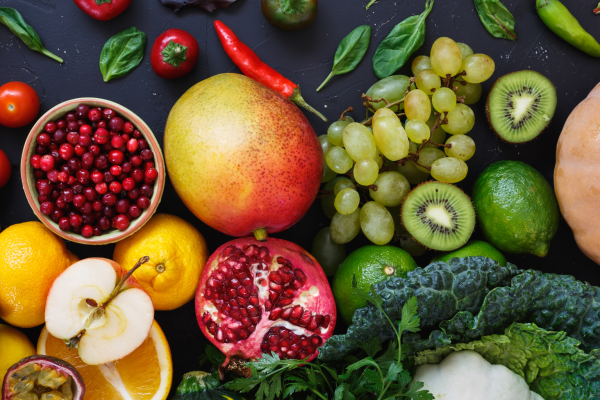
A liver health diet should focus on nutrient-dense, unprocessed foods. Fresh fruits, vegetables, legumes, whole grains, and healthy fats like olive oil are beneficial. Lean proteins, including poultry and fish, also support optimal function. By incorporating these choices consistently, individuals can protect their liver, lower cholesterol, and manage fatty deposits more effectively for better overall health.
Yes. Diets for fatty liver disease reduce excess fat in the liver, lowering the risks of cirrhosis and diabetes. Consistent healthy eating improves weight management and inflammation, protecting long-term function. With professional guidance and resources from Liver Education Advocates, patients can adopt sustainable eating habits, ensuring measurable improvements in health outcomes and maintaining a better quality of life.
