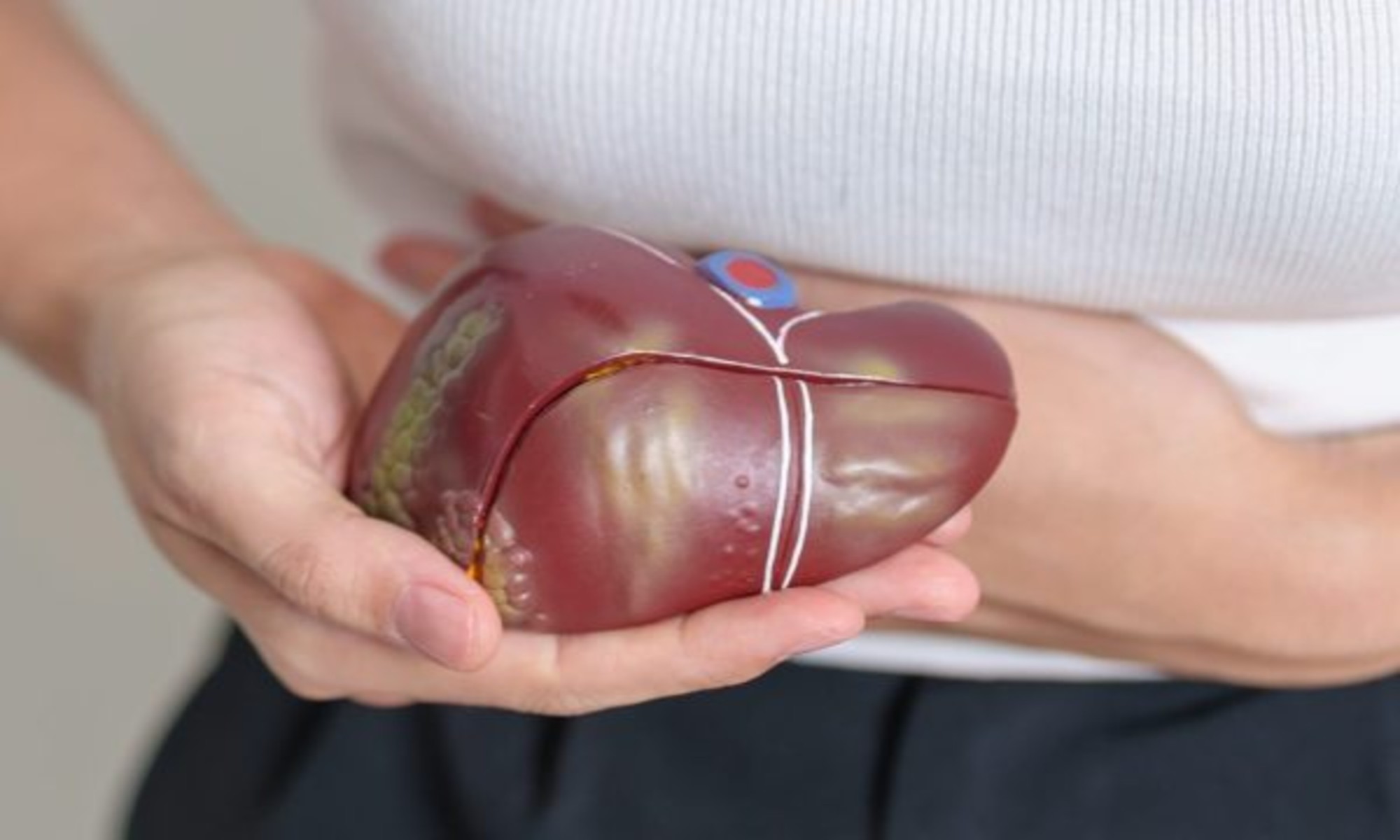
Non-Alcoholic Fatty Liver Disease: Understanding Risks, Progression, and Prevention
Non-alcoholic fatty liver disease, now known as metabolic dysfunction-associated steatotic liver disease (MASLD), is a condition in which excess fat accumulates in the liver in people who drink little or no alcohol. It is strongly connected to metabolic health, including obesity, type 2 diabetes, high blood pressure, and abnormal cholesterol levels. Because these conditions are increasingly common, nonalcoholic fatty liver disease has become one of the most widespread liver disorders in the United States.
MASLD is a progressive condition. In the first stage of MASLD, fat accumulates in liver cells without any apparent symptoms. Many people do not know they have the condition until routine blood tests or imaging studies show abnormalities. Even in the early stages of the condition, it may appear harmless, but it should not be overlooked.
How the Disease Can Progress
In some cases,non-alcoholic fatty liver disease does not progress. In other cases, it can progress to liver inflammation, which is a more serious condition called metabolic dysfunction-associated steatohepatitis (MASH). Over time, chronic inflammation can cause fibrosis (scarring), cirrhosis, liver failure, or even liver cancer.
Risk increases when metabolic conditions are not well managed. Excess body weight, insulin resistance, sedentary lifestyle, and poor dietary patterns all contribute to worsening liver health. Because the disease often develops silently, proactive screening for individuals with metabolic risk factors is essential.
Protecting and Improving Liver Health
The encouraging reality is that early intervention can make a meaningful difference. Weight reduction, balanced nutrition, increased physical activity, blood sugar control, and management of cholesterol and blood pressure can reduce liver fat and lower inflammation. Even modest lifestyle adjustments can significantly improve outcomes.
Liver Education Advocates is dedicated to increasing awareness of non-alcoholic fatty liver disease and promoting evidence-based strategies that support prevention, early detection, and long-term liver wellness. Education plays a critical role in helping individuals understand their risk and take action before complications develop.
For more information on non-alcoholic fatty liver disease, contact Liver Education Advocates at https://liveradvocates.org/.
A gentle reminder
Safety isn’t about restrictions, but about protecting your strength so you can focus on healing. Every small step helps your liver do the work it needs to do.